A New Step for Pearl Abyss

Crimson Desert signals a shift for Pearl Abyss, moving from MMO design toward a cinematic open-world RPG focused on combat, narrative, and systemic world interaction.

A New Direction for Pearl Abyss

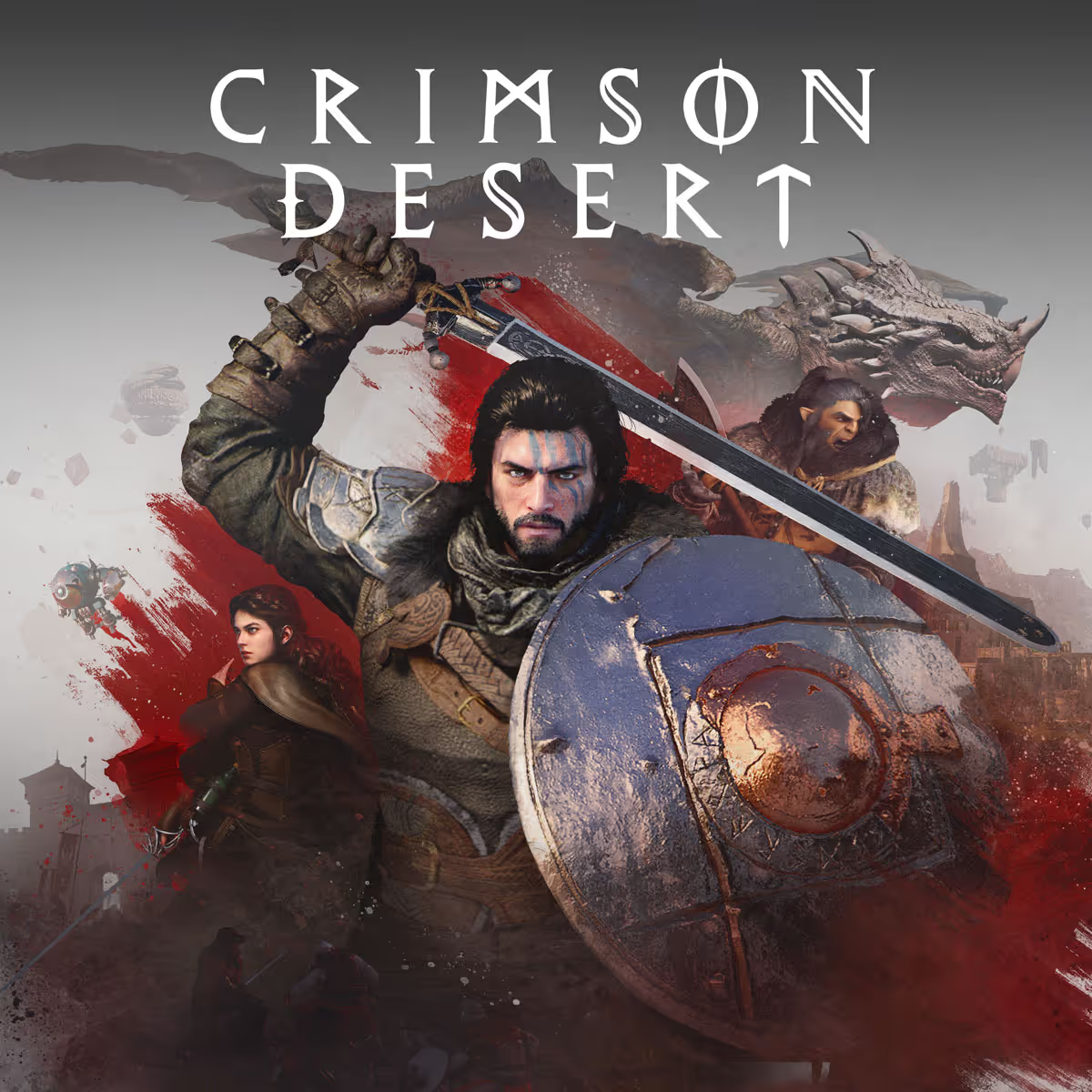
Crimson Desert represents the most ambitious project yet from Pearl Abyss, the studio known for Black Desert Online. When the game was first revealed, it was positioned as a new MMORPG set in a shared persistent world. Over time, however, the project shifted toward a single-player open-world action RPG with optional multiplayer elements. That change suggests a notable shift in how the studio approaches game design.

Rather than building another long-term live-service ecosystem, Pearl Abyss appears to be focusing on a contained narrative experience. The goal seems to be a large-scale adventure that emphasizes storytelling, exploration, and systemic gameplay rather than ongoing online progression. This repositioning also broadens the potential audience beyond traditional MMO players.
A World Built for Narrative Scale

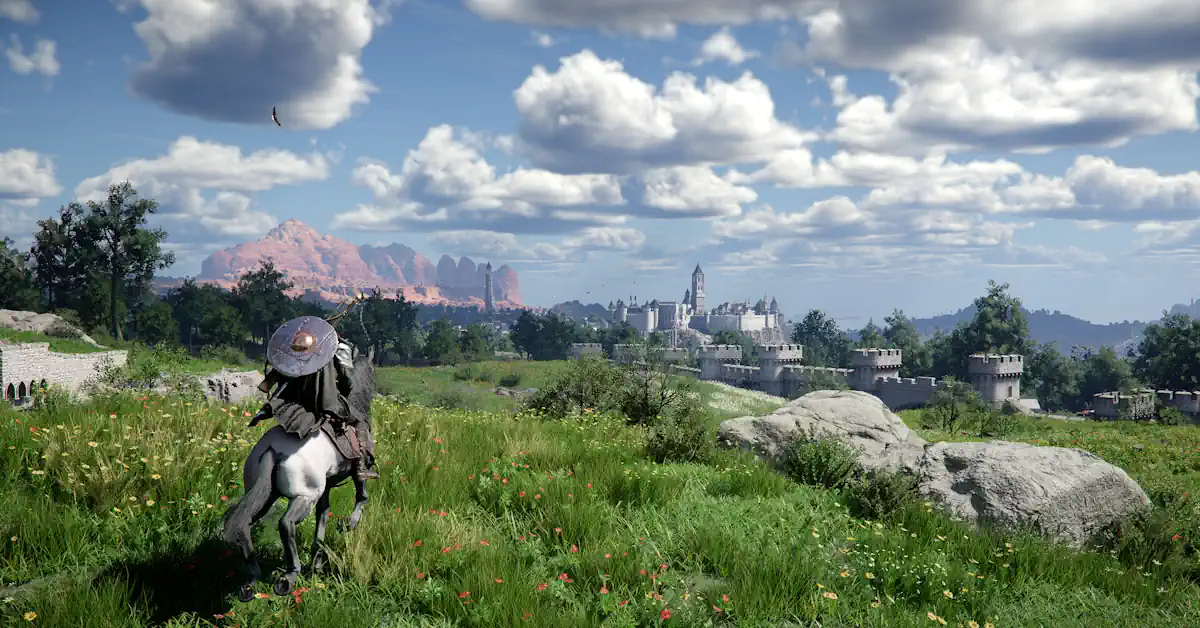
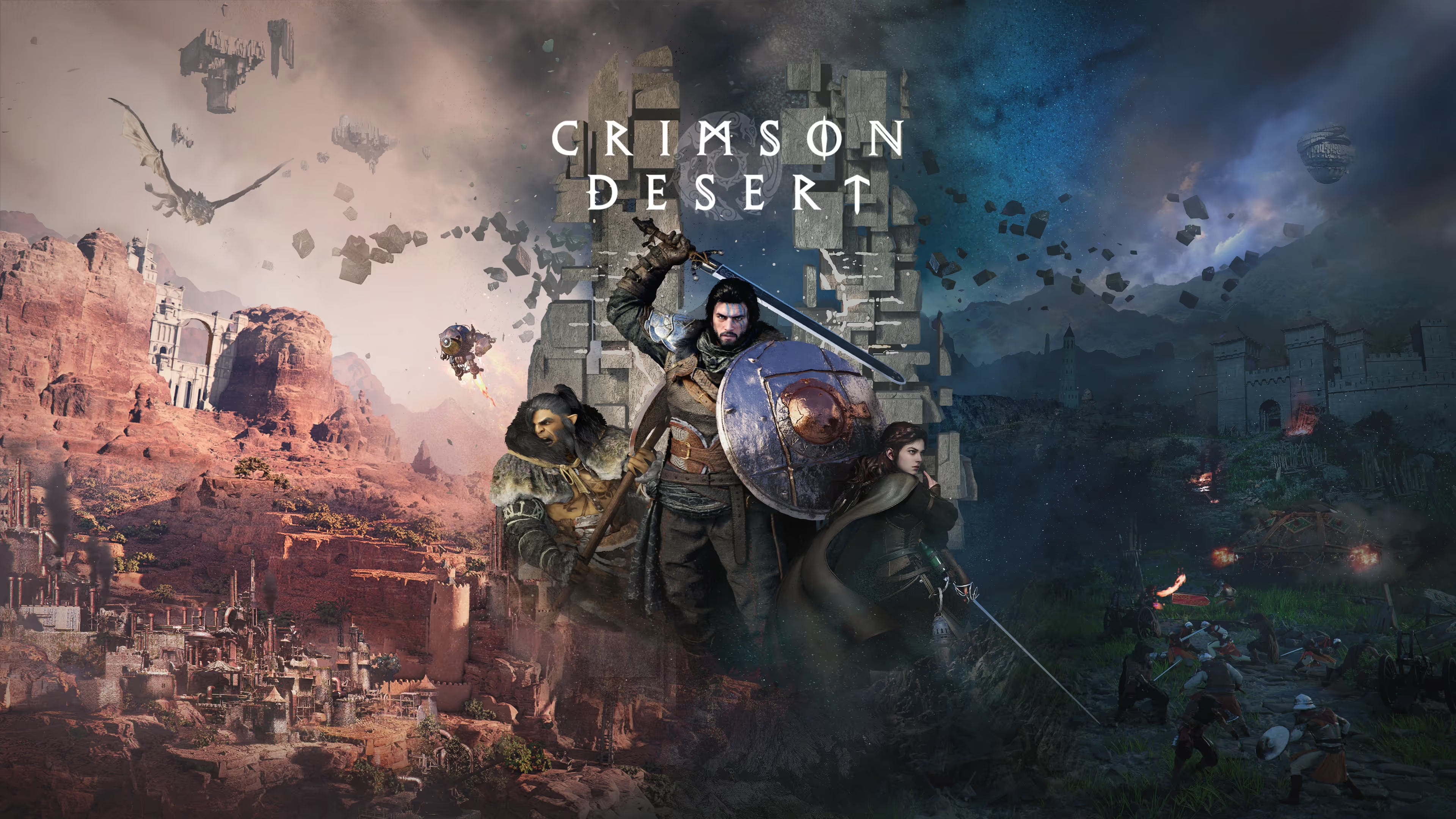
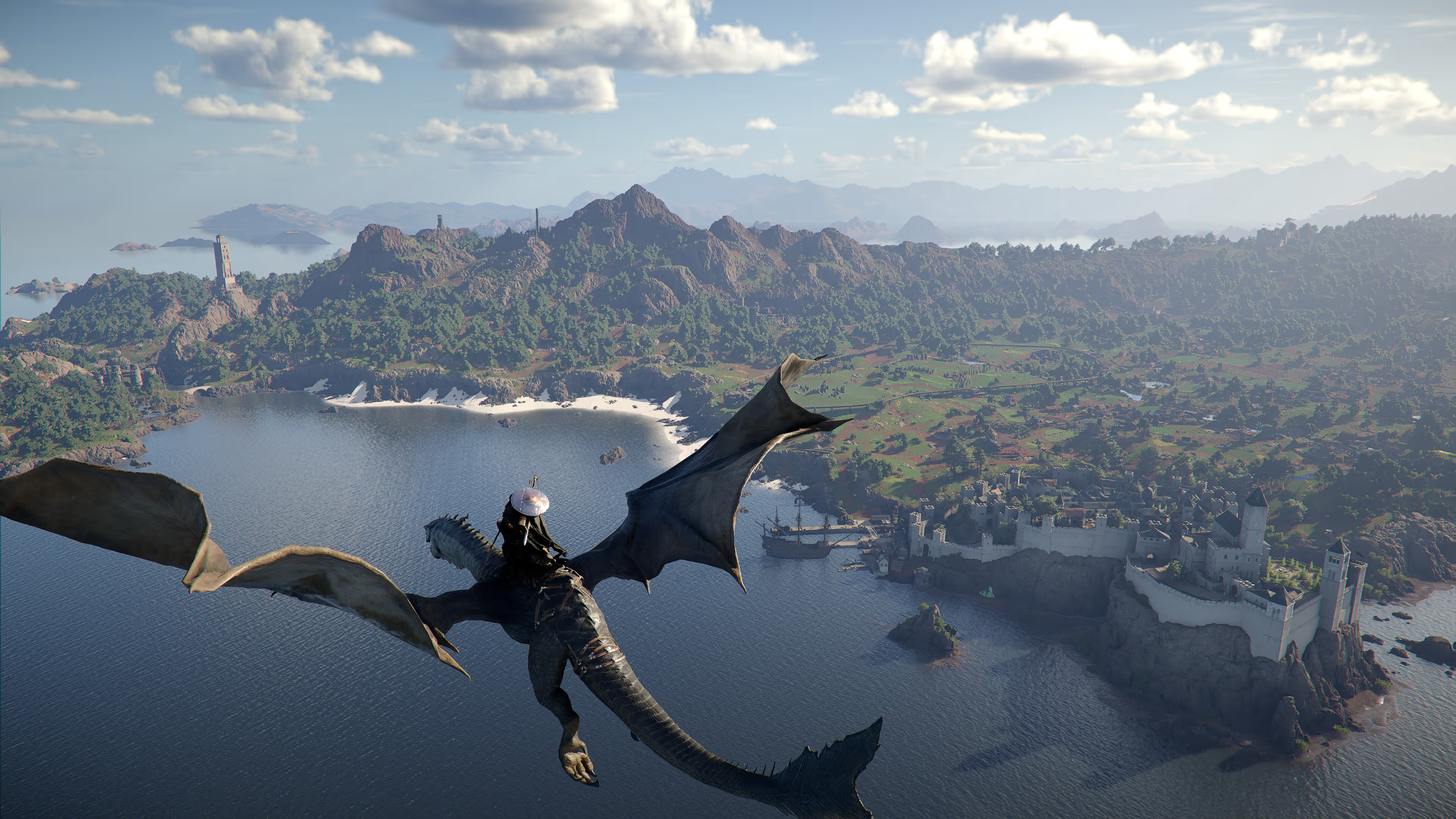
The game takes place in Pywel, a continent defined by political instability, rival factions, and ongoing warfare. Early footage highlights a setting where medieval conflict blends with large-scale fantasy elements. Battles appear cinematic, and the environments are designed to feel reactive rather than static.

This focus on narrative presentation is a departure from the structure of Black Desert Online. Instead of prioritizing progression loops and player-driven economies, Crimson Desert seems built around story progression and handcrafted encounters. That shift suggests Pearl Abyss is attempting to position the game closer to traditional action RPGs.

Moving Away from MMO Expectations

For a studio known primarily for online games, this change in direction is significant. Black Desert Online built its reputation around complex systems, extensive progression mechanics, and long-term grind loops. Those elements work well in persistent online worlds but can overwhelm players looking for a contained experience.

Crimson Desert appears to reduce that reliance on perpetual progression systems. By emphasizing a structured campaign and optional cooperative elements, the game may appeal to players who want depth without committing to a long-term live-service structure. The approach also reflects a broader trend in the industry toward more self-contained open-world RPGs.
What Crimson Desert Might Bring to the Genre

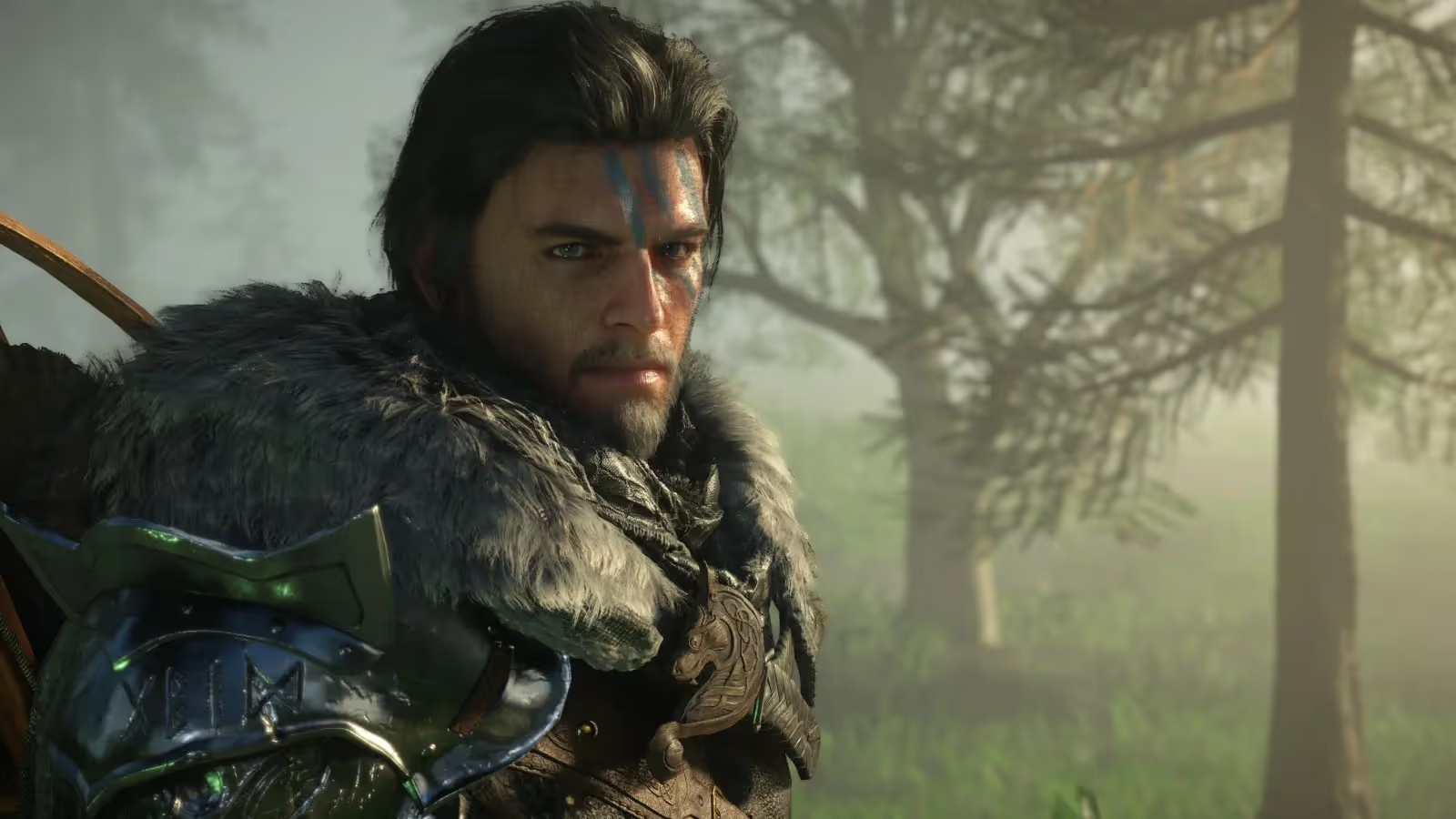
From the gameplay footage released so far, Crimson Desert appears to place a strong emphasis on physicality and spectacle. Combat animations carry visible weight, with characters grappling enemies, interacting with terrain, and engaging in large encounters that resemble boss fights rather than routine enemy clearing. The pacing looks slower and more deliberate than the high-speed combat seen in Black Desert Online.

This approach suggests a design philosophy focused on impact rather than constant action. If executed well, it could create encounters that feel distinct rather than repetitive.

Combat That Emphasizes Impact

Combat demonstrations highlight a mix of melee strikes, grappling mechanics, environmental interactions, and cinematic finishing moves. Enemies can be thrown into terrain, objects can break during combat, and larger encounters appear designed as set-piece moments. These mechanics aim to make battles feel grounded in the physical space of the world.

The design contrasts with many open-world RPGs where combat revolves around ability rotations or stat progression. Crimson Desert seems to prioritize tactile interaction and visual spectacle instead. That shift could make encounters feel more dynamic if the systems remain responsive throughout the campaign.

A Reactive Open World

The world of Pywel also appears designed to respond to player actions and environmental conditions. Trailers have shown dynamic weather systems, climbable terrain, large siege scenarios, and NPC conflicts unfolding in the background. These features suggest a world intended to feel active rather than purely decorative.

The real challenge will be integration. Large features alone do not necessarily create a memorable open world. If weather, terrain, and regional conflicts influence gameplay systems in meaningful ways, the world could feel more systemic than many checklist-driven open worlds currently on the market.

Sources

Pearl Abyss — Crimson Desert official announcements and developer updates

The Game Awards gameplay reveal and trailers

Industry coverage from IGN, GamesRadar, and PC Gamer on Crimson Desert development