Resident Evil Requiem: Why the Series Still Sets the Standard for Survival Horror
A Return to Form That Resonates With Players
The latest entry Resident Evil Requiem launched on February 23, 2026, and quickly became one of the most talked-about releases of the year. Early player reception has been extremely strong, with the game reaching a 96% “Overwhelmingly Positive” rating on Steam shortly after launch. In an era where large releases often divide audiences, that level of consensus stands out.
Part of the excitement comes from how confidently the game executes the core identity of the franchise. Developed by Capcom, the title blends modern visual fidelity with the design principles that made earlier Resident Evil entries memorable. The result is a survival horror experience that feels both contemporary and unmistakably classic.

Atmosphere That Drives the Experience
One of the most praised aspects of the game is its atmosphere. The environments are richly detailed, using lighting, sound design, and environmental storytelling to create a constant sense of tension. Rather than overwhelming the player with nonstop action, the game allows quieter moments to build suspense.
This approach reinforces what survival horror does best: uncertainty. Players are rarely sure what lies behind the next door or around the next corner. By controlling pacing carefully, the game maintains a steady level of tension that encourages exploration without eliminating the feeling of vulnerability.
Visual Design That Elevates the Genre
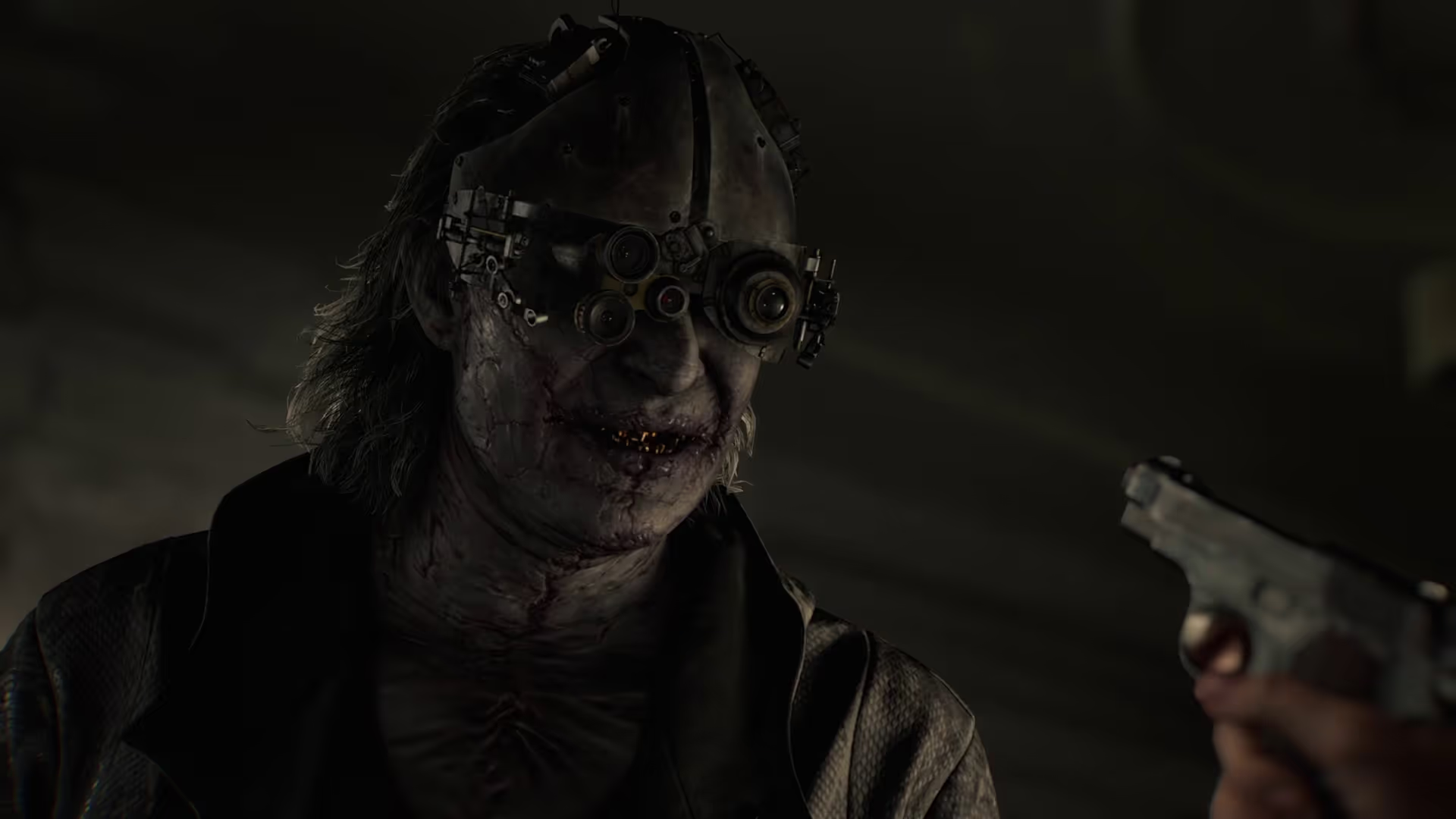
Technically, the game is one of the most visually striking entries in the series. Character models, environmental textures, and animation detail demonstrate the maturity of Capcom’s RE Engine. Lighting in particular plays a major role, shaping the mood of each location while guiding player attention naturally through the environment.
These visual improvements are not purely cosmetic. The fidelity helps reinforce the physicality of the world. Small details such as debris shifting underfoot or subtle movement in the distance contribute to a sense that the environment is alive and reactive.