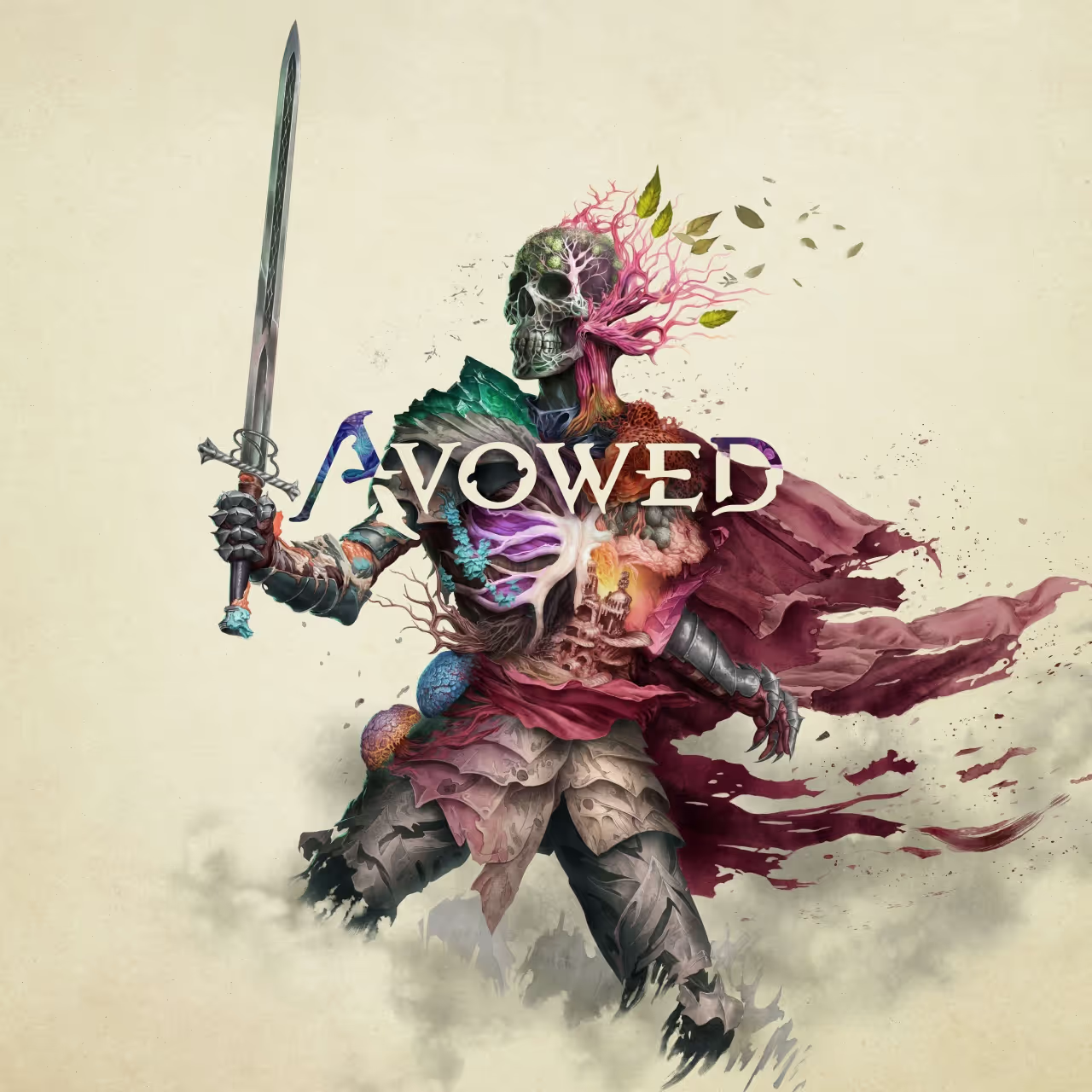
Avowed is a first-person fantasy RPG set in the world of Eora, the same universe as Pillars of Eternity. Players explore a mysterious land filled with magic, ancient secrets, and dangerous enemies. The game emphasizes exploration, character abilities, and player choice within a narrative-driven adventure.

• The game is sold as a full-price premium release.
• There are no microtransactions or pay-to-win systems affecting progression.
• Post-launch content is positioned as optional expansions rather than fragmented core features.
• The experience is entirely single-player with no multiplayer dependency.
• Companion systems support solo progression without requiring online interaction.
• All core content is accessible without cooperative features.
• Progression is primarily quest-driven with experience earned through exploration and combat.
• Gear upgrades and skill advancement occur naturally through structured content rather than forced farming.
• Optional side quests expand playtime without mandatory repetition loops.
• Skill trees allow hybrid builds combining melee, ranged, and magic abilities.
• Dialogue choices and faction dynamics influence quest outcomes.
• Combat encourages synergy between spells, weapons, and companion abilities.
.avif)
.avif)
.avif)
It delivers a focused fantasy action RPG experience built around flexible combat builds, companion interactions, and choice-driven questlines within a contained world structure. The time commitment is substantial but manageable, with progression tied to structured quests rather than grind-heavy farming. As a fully solo experience it remains cohesive and narratively driven, rewarding build experimentation without overwhelming systemic complexity. With fair premium pricing and no aggressive monetization, it offers strong value for players seeking a story-centric fantasy RPG rather than a sprawling sandbox.
• Players seeking a focused fantasy RPG with meaningful dialogue choices.
• Fans of build experimentation blending magic and weapon combat.
• Those who prefer contained world design over massive open maps.
• World scope is smaller than some open-world RPG counterparts.
• Combat depth is solid but less systemic than hardcore simulation RPGs.
• Replay value depends largely on alternate build paths and dialogue outcomes.
