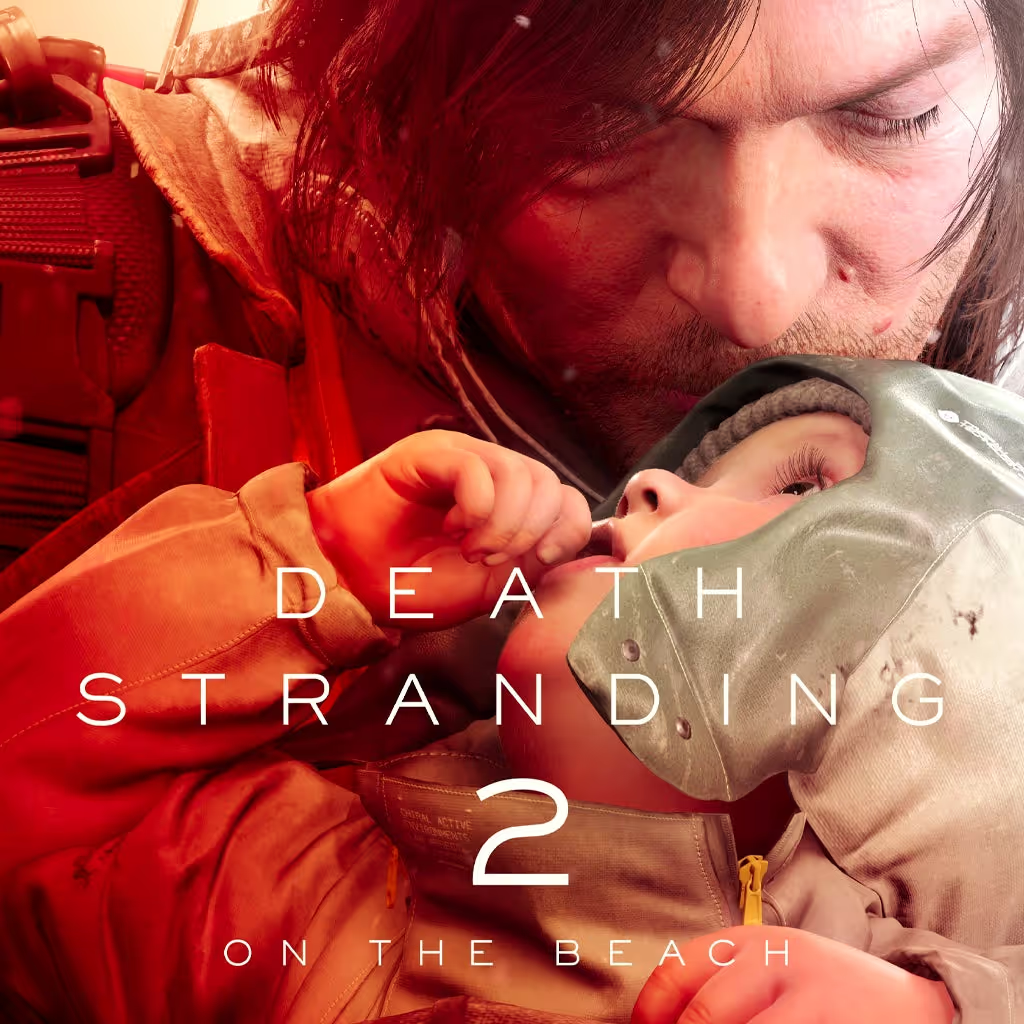
Death Stranding 2 is a story-driven action adventure that continues the journey of Sam Porter Bridges in a strange and fragmented world. Players travel across dangerous landscapes while reconnecting isolated communities and confronting new threats. Exploration, delivery missions, and narrative-driven events shape the experience.

• It is sold as a full-priced standalone release.
• There are no microtransactions or pay-to-win mechanics affecting progression.
• Content scope and production value align with premium pricing expectations.
• The campaign is fully designed around a single-player structure.
• Asynchronous online elements enhance the world but remain optional.
• No competitive or mandatory cooperative systems gate story completion.
• Main progression centers on structured deliveries and narrative chapters rather than repetitive enemy farming.
• Optional infrastructure building and high-rank delivery challenges extend playtime significantly.
• Resource gathering and reputation systems can become time-intensive for perfection-focused players.
• Traversal planning requires understanding terrain, weather hazards, and cargo physics.
• Expanded equipment trees and vehicle options add strategic route optimization.
• Narrative layering and thematic symbolism demand sustained attention from players.
.avif)
.avif)
.avif)
Death Stranding 2: On the Beach expands the original’s traversal-focused formula with larger environments, deeper equipment systems, and a narrative that leans heavily into cinematic presentation and thematic ambition. The experience demands a considerable time investment, particularly for players pursuing high delivery ranks and optional infrastructure projects, though required grind remains moderate. It functions entirely as a solo campaign with optional asynchronous connectivity, and its premium model provides substantial content without intrusive monetization, making it well suited to players who appreciate deliberate pacing and systems-driven design.
• Players who enjoyed the first game’s delivery-driven structure and want expanded systems.
• Fans of cinematic storytelling with strong thematic focus.
• Those who prefer methodical, system-based gameplay over reflex-heavy combat loops.
• Pacing remains deliberate and may feel slow for action-oriented players.
• Extended cutscenes and dense exposition can interrupt gameplay flow.
• Completionist paths significantly increase total time investment.
